Monte El Gato is private property. Access to the area is temporarily closed to the public until further notice.

This site is under construction and its content is currently under review

Formación rocosa con forma de gato en Monte El Gato

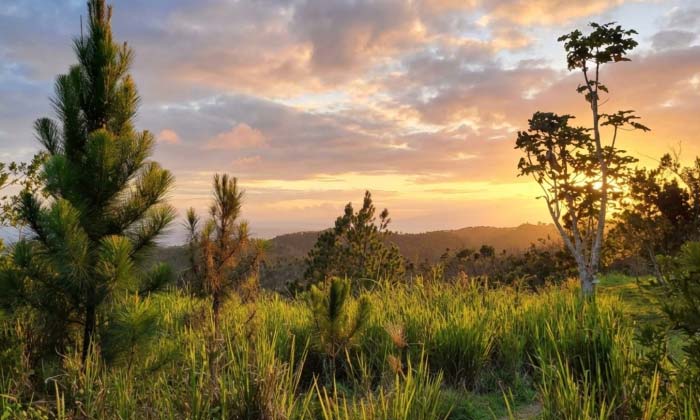
Pine Forest Ridge in Cayey

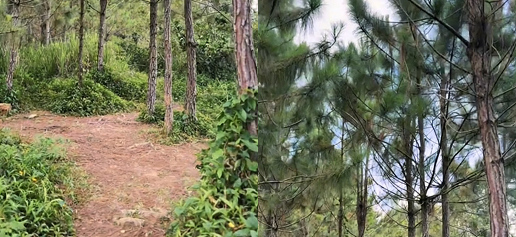
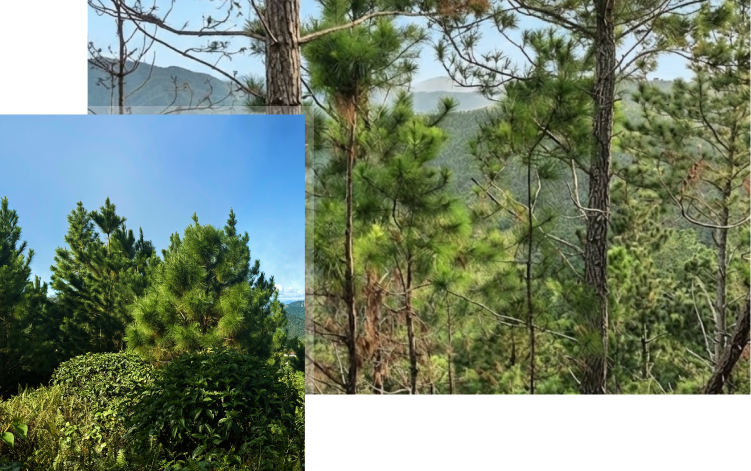
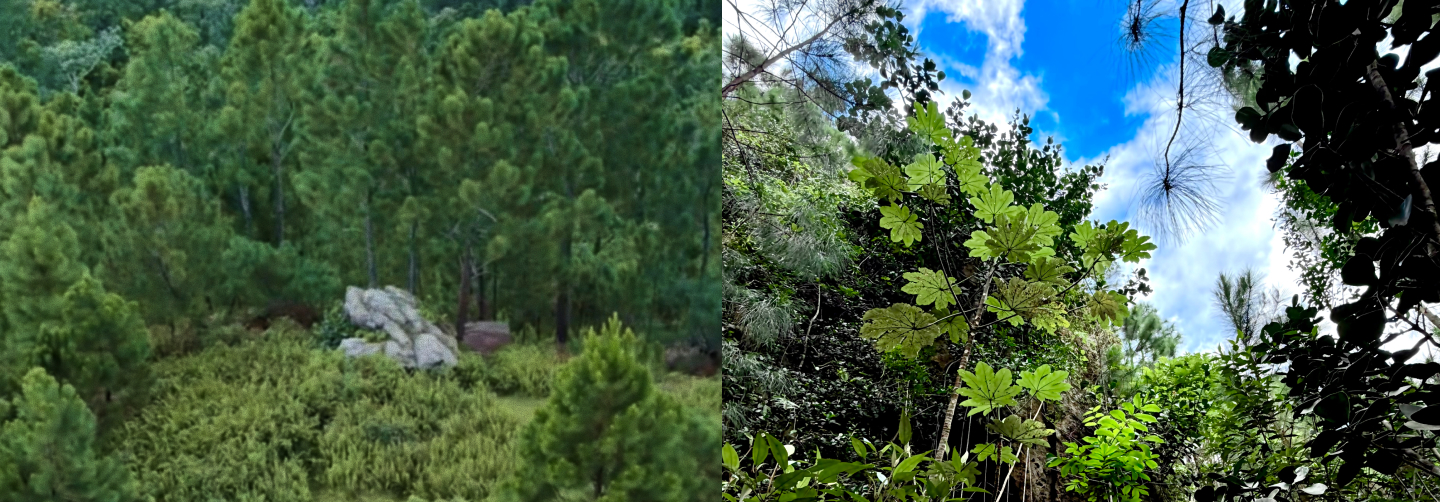
In the mountains of Cayey, the arrival of a pine forest transformed the landscape and, over time, became part of the distinctive character of this region. Its tall, straight trunks, the soft sound of wind moving through the needles, and the light filtering onto the ground covered with pine litter create a cool and peaceful atmosphere that invites visitors to walk unhurriedly, observe their surroundings, and breathe deeply. This singular mountain setting, simple and harmonious, offers an experience of quiet that for many evokes the feeling of being in other latitudes.

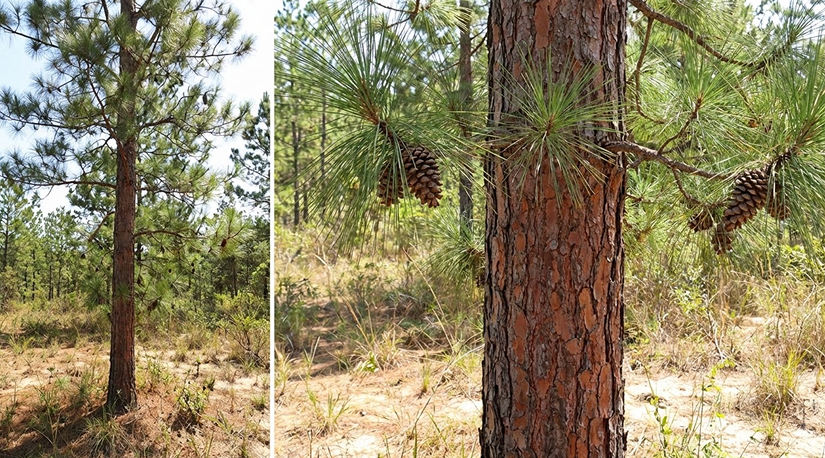
The pine plantations present in Monte El Gato are not native to Puerto Rico and correspond to a phase of experimental forestry developed in the mid-20th century by the U.S. Forest Service, particularly through the International Institute of Tropical Forestry (IITF). These initiatives had as their main objectives the protection of watershed areas, the stabilization of soils degraded by agriculture, and the evaluation of timber-production potential in the island-s interior mountain regions.

Various technical reports from the Forest Service document that, during the first half of the 20th century, extensive areas of the Central Cordillera and the Sierra de Cayey had undergone severe degradation as a result of intensive agriculture (especially coffee and tobacco), which motivated the search for tree species capable of establishing themselves in nutrient-poor soils and on steep slopes.
Monte El Gato

The Species Used: Pinus caribaea var. hondurensis

The species introduced was the Caribbean pine (Pinus caribaea var. hondurensis), a tropical conifer native to Central America and not naturally present in Puerto Rico. This species was selected for its relatively fast growth, straight form, and production of long-fiber timber, considered suitable for industrial and forestry uses in tropical contexts.

Initial Failure and Discovery of the Mycorrhizal Factor

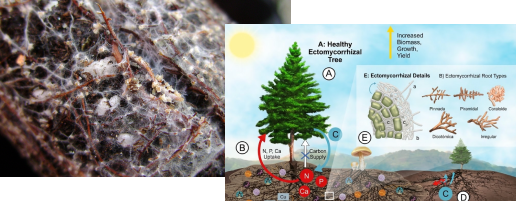
Early attempts to establish pines in Puerto Rico, beginning in the 1930s, repeatedly failed for more than twenty years. Subsequent research demonstrated that the primary cause was not climatic but biological: local soils lacked the specific ectomycorrhizal fungi required for normal pine root development.

This finding is documented in classic Forest Service studies on forest mycorrhizae and tropical plantations, which describe the obligatory dependence of pines on symbiotic associations with soil fungi.

Monte El Gato

Mycorrhizal Inoculation and the Success of the Plantations

In the mid-1950s, Forest Service researchers succeeded in establishing successful plantations by deliberately inoculating seedlings with ectomycorrhizal fungi, using forest soil collected from pine woodlands in the southeastern United States. This procedure dramatically increased seedling survival and enabled the establishment of pine stands in various mountainous regions of Puerto Rico, including sectors of the Sierra de Cayey.

This episode is widely cited in the forestry literature as an emblematic example of the importance of mycorrhizae in tropical silviculture.

Monte El Gato

Structural and Edaphic Effects

Over time, the pine stands developed a structure distinct from that of native montane forests. They are characterized by a relatively uniform canopy and by the accumulation of a thick layer of needles on the forest floor, which tends to acidify the substrate, modify nutrient dynamics, and alter the understory.

Comparative studies conducted in Puerto Rico and other tropical regions indicate that these conditions can reduce the diversity of understory plants adapted to broadleaf forests, while favoring generalist species tolerant of more acidic soils.

Monte El Gato

Current Interpretation

Today, the pine plantations of Monte El Gato should be understood as managed historical ecosystems, the product of a specific period of forestry intervention.

They represent a testament to the restoration and management efforts of the 20th century, as well as their long-term ecological consequences—both positive (erosion control, forest cover) and complex (edaphic and structural changes).

Monte El Gato